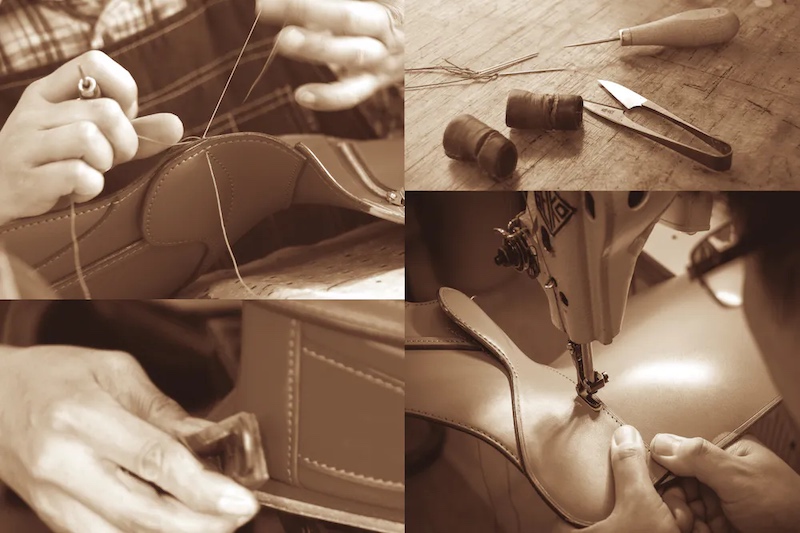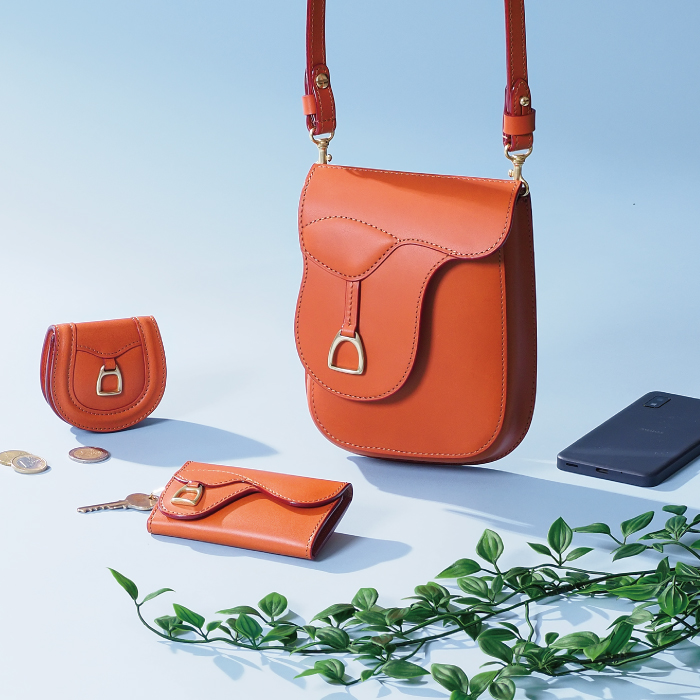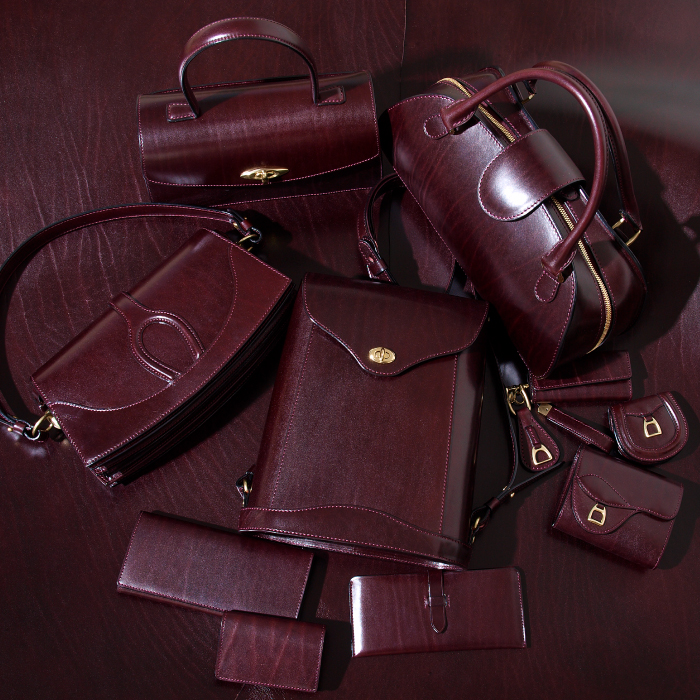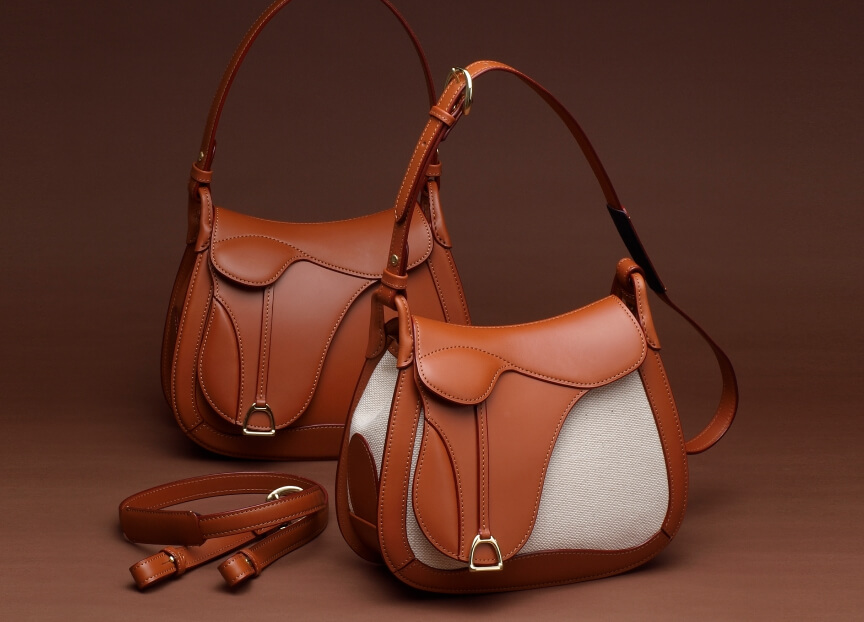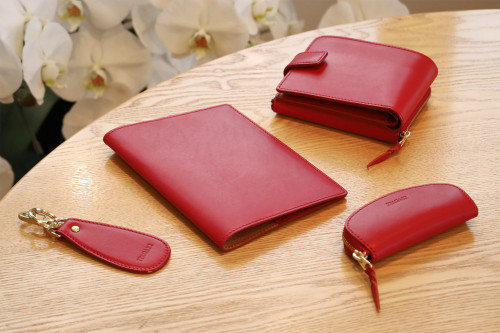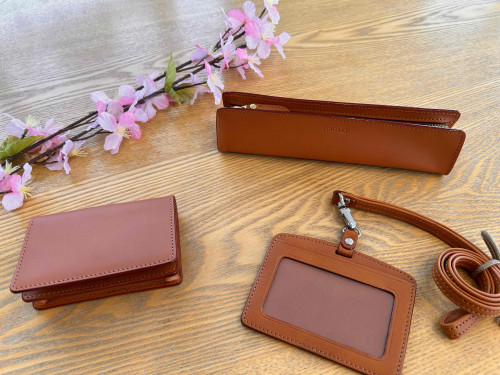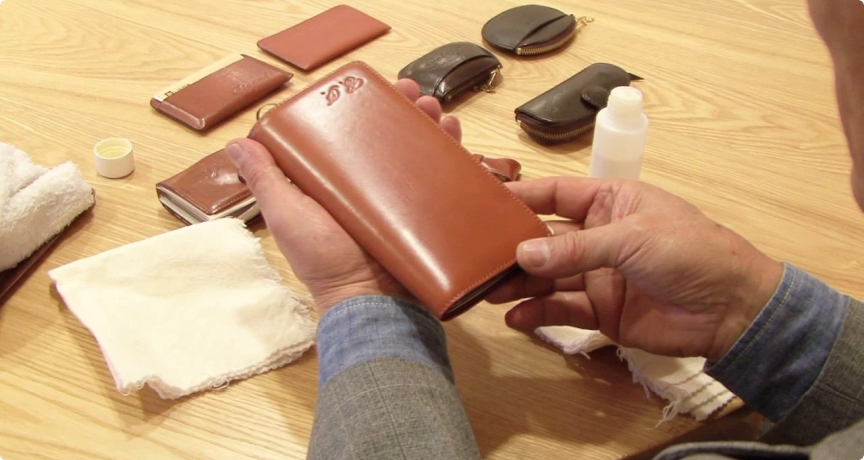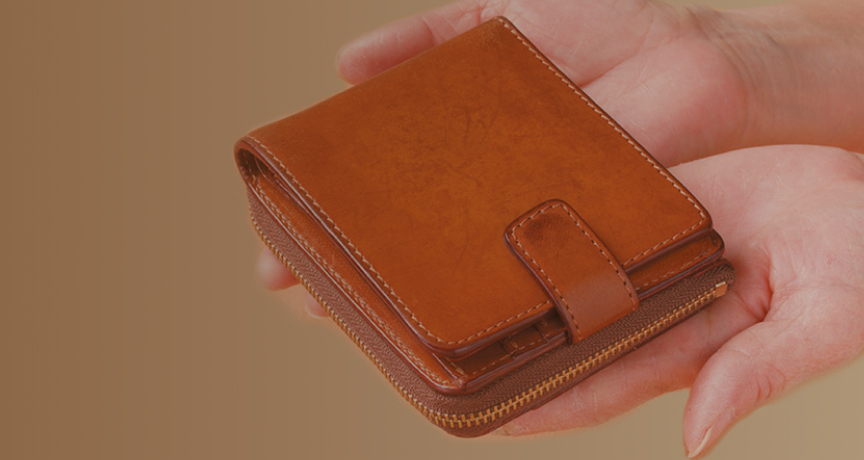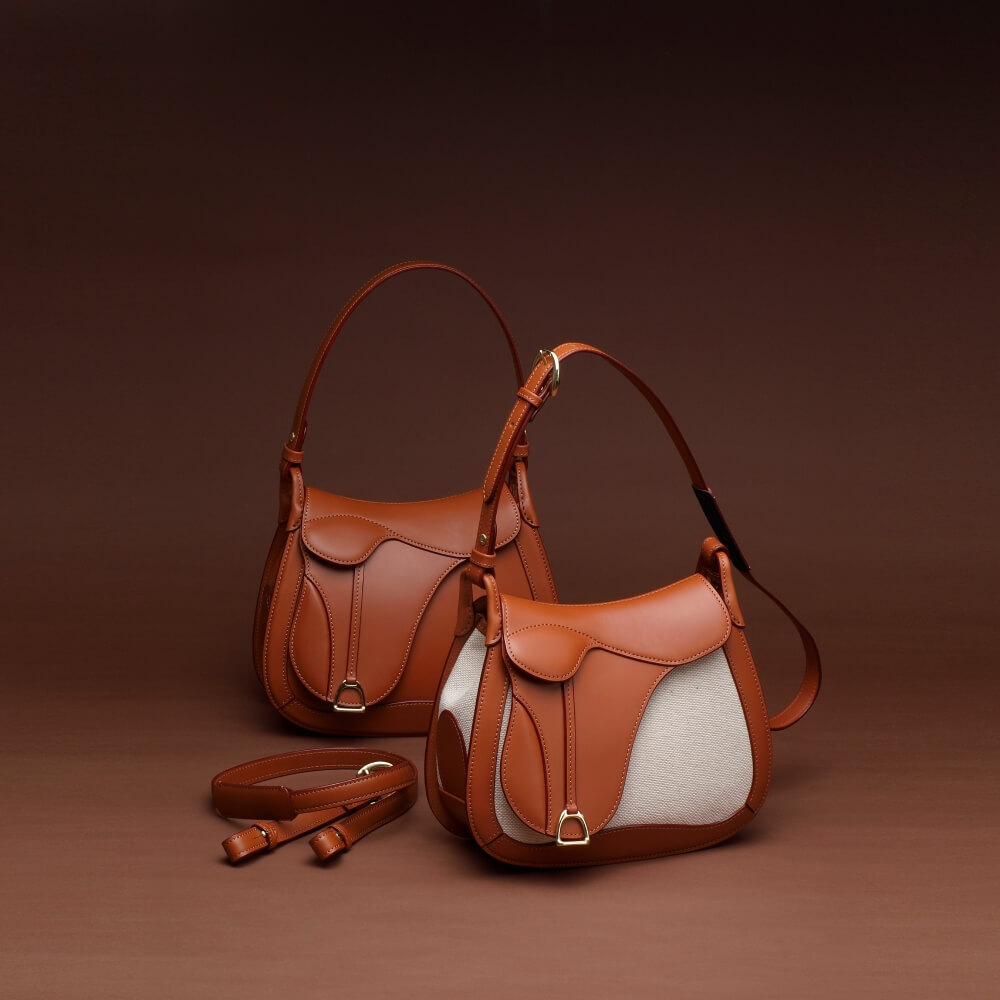
Leather is 100% natural and environmentally friendly. It returns to the soil without harming the environment. The slow process of vegetable tanning results in leather that maintains its shape. The more the leather is used, the better the texture becomes. Enjoy our vegetable-tanned leather for many years to come.


“Tanning” is the treatment of the outer layer of animal skins, or “hides”, to make them resistant to decomposition. The tanned hides are called “leather.”
Tanning processes are classified roughly into two types: vegetable tanning and chrome tanning.
Chrome tanning is a modern method that uses chemicals. It’s faster than vegetable tanning.
Vegetable tanning is an ancient method that uses tannin, a plant extract. It can take as long as two months.
The resulting leather is durable and resistant to shrinkage. The more it’s used, the deeper the color becomes.
There are two types of vegetable tanning: drum tanning, where the tannin penetrates the hides in a drum, and pit tanning, where the hides are soaked in the tannin liquor in a pit.
Itagaki products are made from pit-vegetable-tanned leather. This is a progressive system in which the hides are moved from a weak tanning liquor to successively stronger tanning liquors. This system is rarely seen in Japan any more, as it takes a great deal of time, effort and space. The process doesn’t damage the hides, but it does allow the tannin liquor to infiltrate deeply, achieving smooth, durable leather that holds its shape.